Tuesday, November 17, 2026

College Football vs. the NFL: The Rule Differences That Change the Game

An American football rests on green grass with stadium lights glowing softly behind it at dusk.

Same field, same ball, substantially different rulebooks. College football and the NFL share the sport’s skeleton, but the NCAA and NFL rules differ in the places that shape how games are actually played: college hash marks are much wider (40 feet apart vs. the NFL’s 18 feet 6 inches), a college ball carrier is down … Read more

What Is a Redshirt? Eligibility, the Five-Year Clock and Medical Redshirts

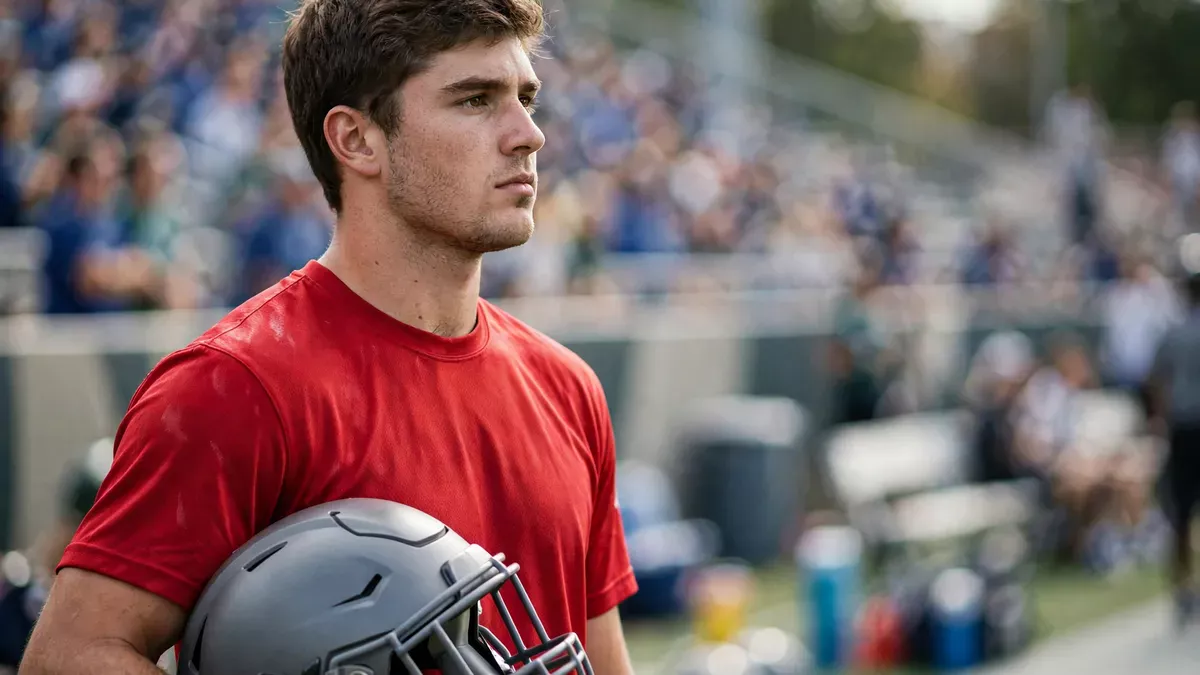
A college football player in a plain red practice jersey stands on the sideline holding his helmet and watching the game.

A redshirt is a college athlete who sits out a season of competition — practicing with the team, dressing for the program, developing physically — without using one of their four seasons of eligibility. The system runs on two clocks that fans constantly confuse: a Division I athlete has five calendar years from first enrolling … Read more

How the Heisman Trophy Works: Voting, History and What It Actually Rewards

A college football player holds a plain gold trophy aloft with both hands as confetti falls under stadium lights at night.

The Heisman Trophy, awarded every December since 1935, goes to the player voted the most outstanding in college football. It is not chosen by the NCAA and there are no official statistical criteria: the trophy is decided by 928 electors — 870 media members divided equally among six geographic regions (145 each), every living former … Read more

College Football Overtime Rules Explained: How They Differ From the NFL

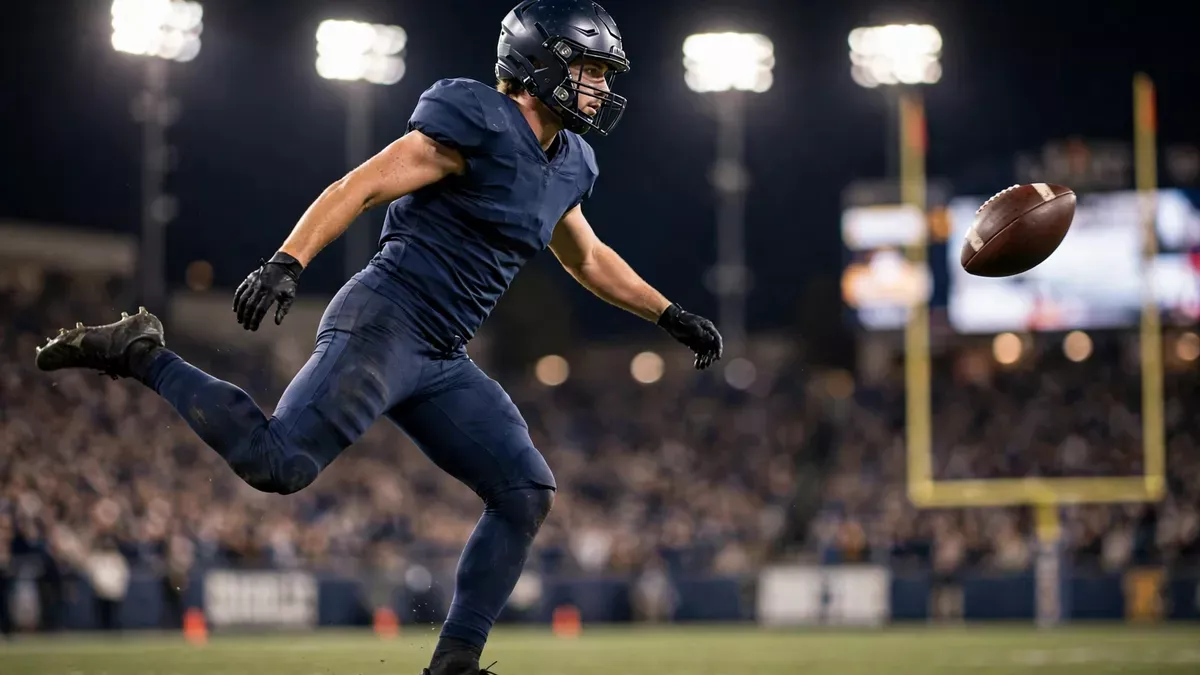
College football kicker in a plain navy jersey following through on a field goal under stadium lights at night, the ball in the air toward the goalposts.

College football overtime throws out the kickoff, the clock and the tie. When a game is level after four quarters, the teams alternate possessions starting at the opponent’s 25-yard line: each team gets the ball there, plays a normal series, and tries to outscore the other in that round. In the first overtime, touchdowns are … Read more

What Is NIL in College Sports? Name, Image and Likeness Explained for Fans

College athlete in a plain green shirt holding a smartphone with a blank dark screen on a football field with the stadium blurred behind him.

NIL stands for “name, image and likeness” — the right of a college athlete to make money from who they are: endorsements, sponsored social media posts, autographs, personal merchandise, camps, appearances and content. For more than a century, NCAA rules prohibited athletes from earning anything beyond their scholarships in the name of amateurism. That wall … Read more

How College Football Recruiting Works: Stars, Signing Day and the National Letter of Intent

Young football player in a plain navy jersey signing a blank letter of intent at a table in a bright gym, with his family blurred behind him.

College football recruiting is a multi-year market in which coaching staffs evaluate thousands of high-school players, recruiting services grade the best of them (five stars for the elite few down to two stars for the developmental prospects), and players sort the chase through scholarship offers, campus visits and a public “commitment” — which is non-binding … Read more

What Is the Transfer Portal? How College Football Players Change Schools

College football player in a plain navy jersey carrying a duffel bag and his helmet while walking through a stadium tunnel toward bright daylight.

The transfer portal is the NCAA’s official database of athletes who have declared they want to change schools — less a website than a starting gun. A player tells his own school’s compliance office he wants to enter; the school must place his name in the portal within two business days; from that moment, every … Read more

How College Football Rankings Work: AP Poll, Coaches Poll and the Playoff Committee

College football quarterback in a plain navy jersey raising both arms in celebration as teammates rush in around him under stadium lights at night.

College football has three rankings, and only one of them actually decides anything. The AP Top 25, voted on by a panel of around 60 sportswriters and broadcasters, has ranked teams weekly since 1936. The Coaches Poll, run for the American Football Coaches Association, asks a rotating panel of FBS head coaches to rank the … Read more

College Football Conferences Explained: Who Plays Where and Why It Keeps Changing

A packed college football stadium at night with a marching band in the stands under bright lights.

College football’s map is drawn by conferences — alliances of schools that schedule each other, crown champions, and, above all, sell television rights together. The top division (FBS, more than 130 programs) is organized into ten conferences plus a handful of independents. Four leagues form the power tier — the SEC (16 schools), the Big … Read more

March Madness Explained: How the NCAA Tournament Bracket Is Built

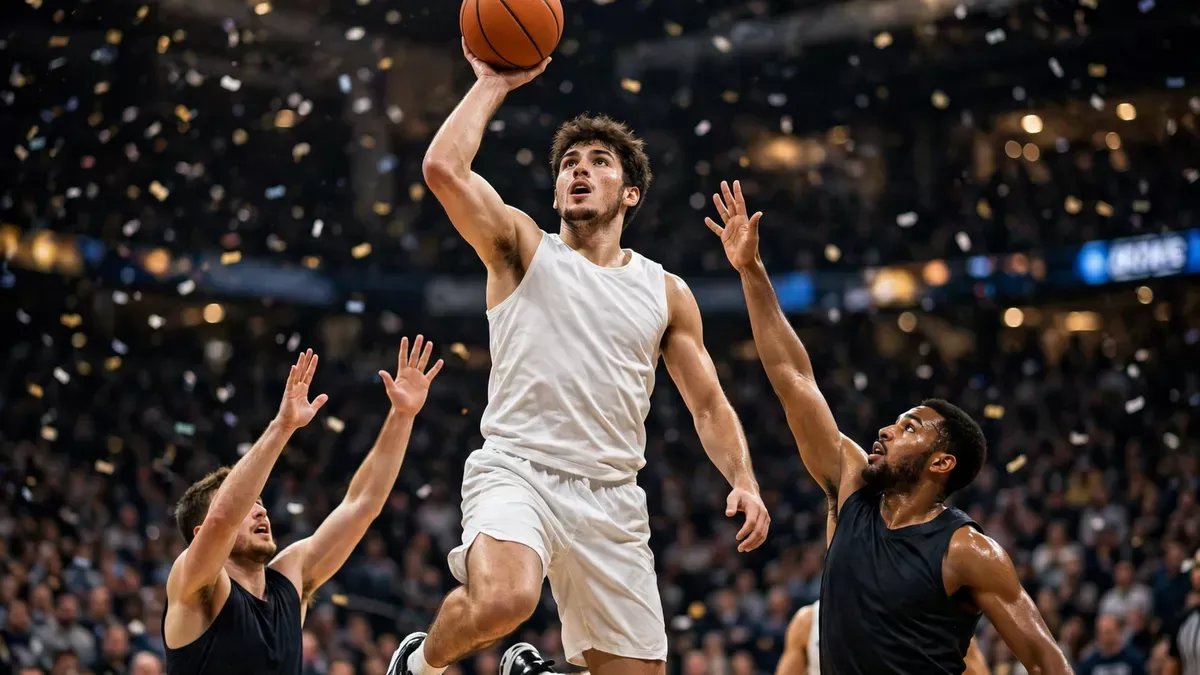
A college player in a plain white jersey shoots a buzzer-beater over two defenders as confetti falls in a packed arena.

March Madness is the NCAA Division I men’s basketball tournament: a 68-team, single-elimination bracket that decides the national champion over three weeks each spring. More than 30 teams qualify automatically by winning their conference tournaments, a selection committee fills the rest of the field and seeds all 68 teams, and every game is win-or-go-home — … Read more