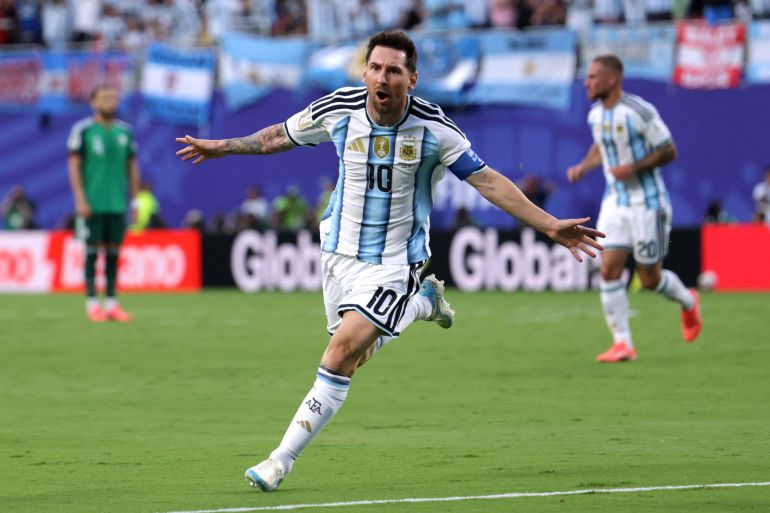
A devastating 3-0 loss to Argentina highlights the limitations of a system that would rather suppress criticism than deal with its athletic shortcomings on the field.
The Algerian national team’s crushing 3-0 loss to Lionel Messi’s Argentina on June 17 at Kansas City Stadium during the World Cup 2026 group stage has caused a serious institutional and media crisis in the Maghreb country.
The Argentine forward’s performance brought attention to the tactical imbalances in manager Vladimir Petkovic’s approach; however, the Algiers regulating agencies’ subsequent reaction has moved the emphasis from a purely athletic level to an institutional one.
In order to regulate public perception and fan reactions, it was decided to deploy content control measures across media channels rather than prioritizing technical discourse about the event.
Blame always lies elsewhere
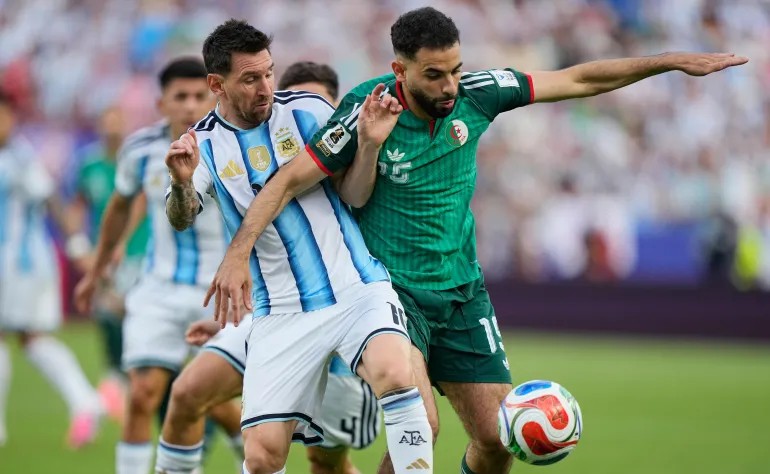
Algerian state television’s major sports talk shows immediately debated the match’s result, giving equal prominence to geopolitical interpretations and merely technical analysis. Several media analysts connected the outcome to the nation’s standing abroad rather than concentrating solely on the players’ performance or manager Vladimir Petkovic’s tactics.
According to some analysts, political tensions resulting from Algeria’s foreign policy stances may have had an impact on the match’s progress and refereeing decisions, such as the contentious incident involving Lionel Messi and defender Aissa Mandi.
From this perspective, such arguments tend to divert attention from the national team’s strictly sporting challenges, shifting the fans’ frustration towards external factors instead of internally evaluating the technical management of the squad and the Algerian Football Federation (FAF) itself.
Red card for the free press
The impact of the defeat prompted direct intervention from state regulatory bodies. Three days after the match, the National Independent Audiovisual Regulatory Authority (ANIRA) issued an official statement addressed to local television networks. The regulatory body pointed out that commentary on certain sports programs had strayed from technical analysis into personal attacks and destabilising accusations, demanding an immediate change in the tournament’s coverage.
The institution urged the media to maintain a balanced approach and to prioritise institutional support for the national team.
According to the official statement, the role of journalism in this context should focus on boosting the team’s morale and fostering unity among fans, rather than creating an atmosphere of frustration or doubt. In practice, this directive limits the room for manoeuvre of independent sports analysts to critically examine the manager’s decisions or squad failures. With the upcoming group-stage matches on the horizon, local networks are required to follow an editorial line of unconditional support leaving strictly sports-related debate in the background.
Two ways of understanding football
This strategy is different from the management strategies used in other North African nations, where institutional stability, long-term planning, and infrastructure investment have been given top priority in order to gain international recognition. The debate in Algiers’ athletic environment is frequently impacted by outside influences that divert attention from technical analysis, whereas some federations concentrate their efforts on consolidating development through organizational success and adherence to competition regulations.
The coverage of forthcoming games also reflects this propensity to connect athletic outcomes with the local context. Because the manager of the opposing squad is Moroccan, the build-up to the game versus Jordan has already attracted commentary in the official media. Some observers note that this type of narrative anticipates that any adverse result could once again be attributed to external political dynamics, rather than focusing exclusively on the opponent’s sporting merits on the pitch.
Leave Politics Out Of Football!
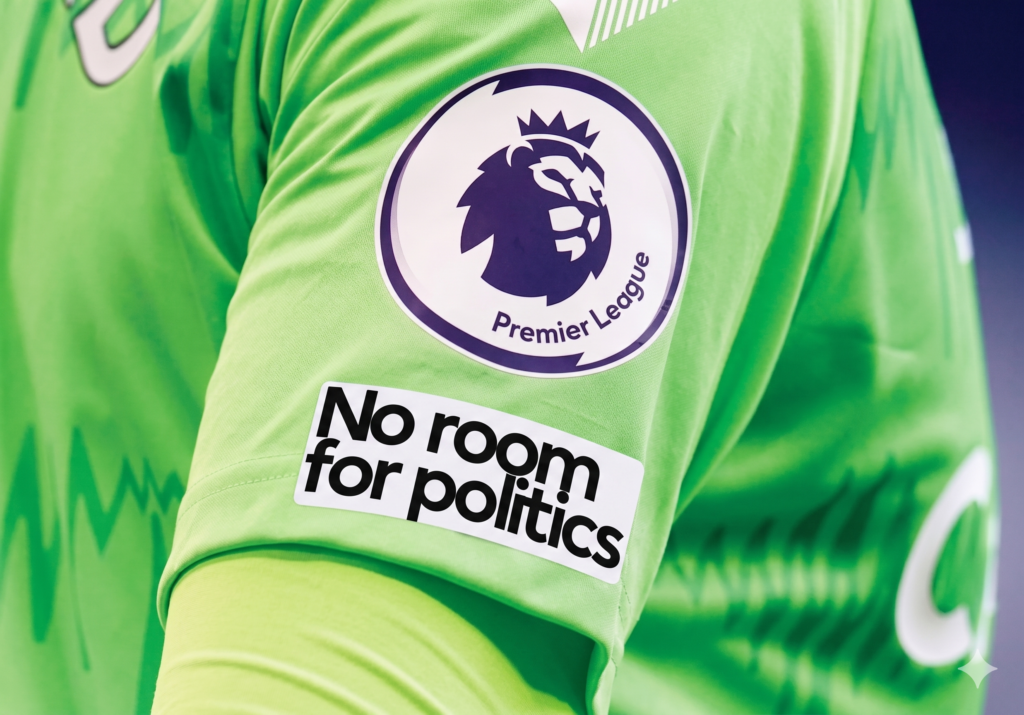
The strategy of silencing critical voices is neither a new nor an isolated phenomenon; it reflects a communication policy that creates deep international isolation. While ANIRA attempts to police the content of local debates, global football is closely scrutinising other repressive episodes directly affecting the media sector, such as the prolonged captivity of French journalist Christophe Gleizes—a case that has raised alarms at organisations like Reporters Without Borders (RSF) and was highlighted by FIFA itself on the eve of the tournament as a worrying anomaly within the global sports journalism landscape.
Attempting to cover up a 3-0 scoreline through censorship decrees and narratives of political persecution is a futile exercise in the era of globalised information. Fans, despite pressure from the Ministry of Youth and Sports of Algeria, perceive perfectly the gap between official slogans and the football displayed on the pitch.
By refusing to accept technical differences and its own mistakes, the regime not only deprives its followers of the natural enjoyment of the competition but also condemns its own football to a chronic stagnation from which it will be very difficult to escape as long as answers continue to be sought in geopolitics rather than in the ball itself.
About the Author