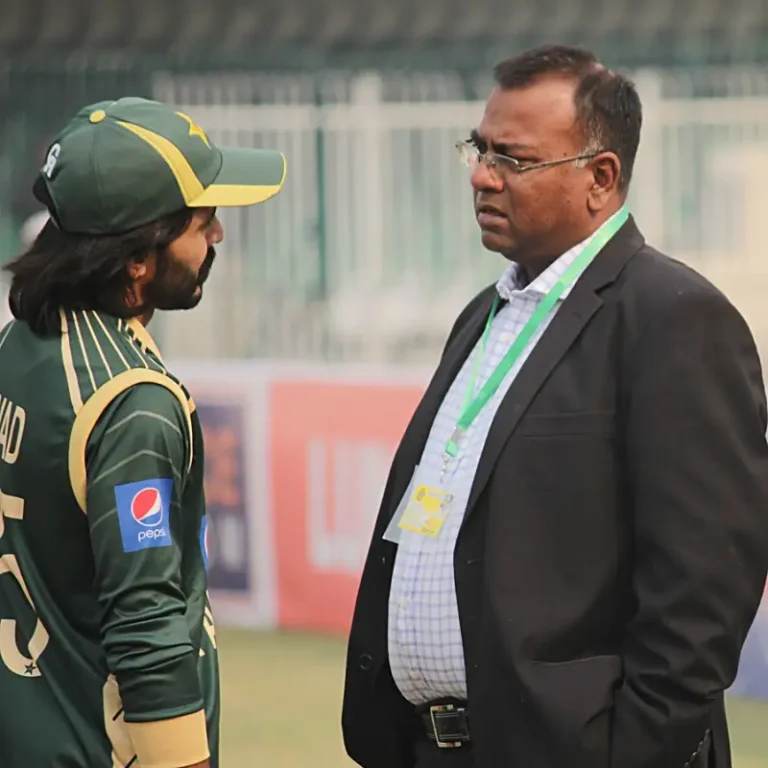

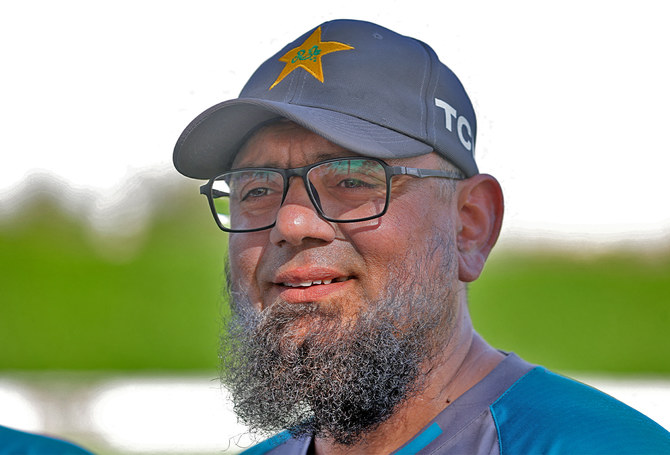
Islamabad: Former Pakistan off-spinner Saqlain Mushtaq expressed confidence in the national team’s potential, saying the players can achieve something special in the T20 World Cup 2026 if they are given clarity, confidence, and freedom to play their natural game.
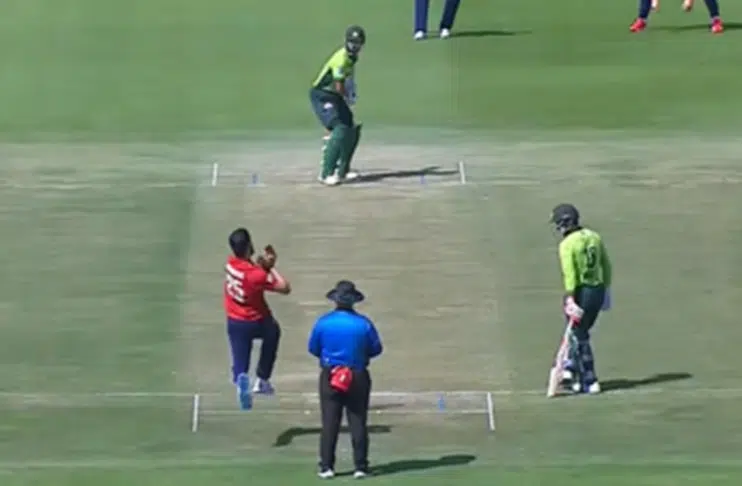
Saqlain’s comments came after Pakistan secured a narrow victory over the Netherlands in a T20 international, chasing down a target of 148 runs in the final over.
Faheem Ashraf’s late hitting proved decisive after the Netherlands kept the green shirts under pressure through the middle overs, creating a tense finish.
Despite the win, Pakistan’s overall performance has drawn criticism from cricket experts.
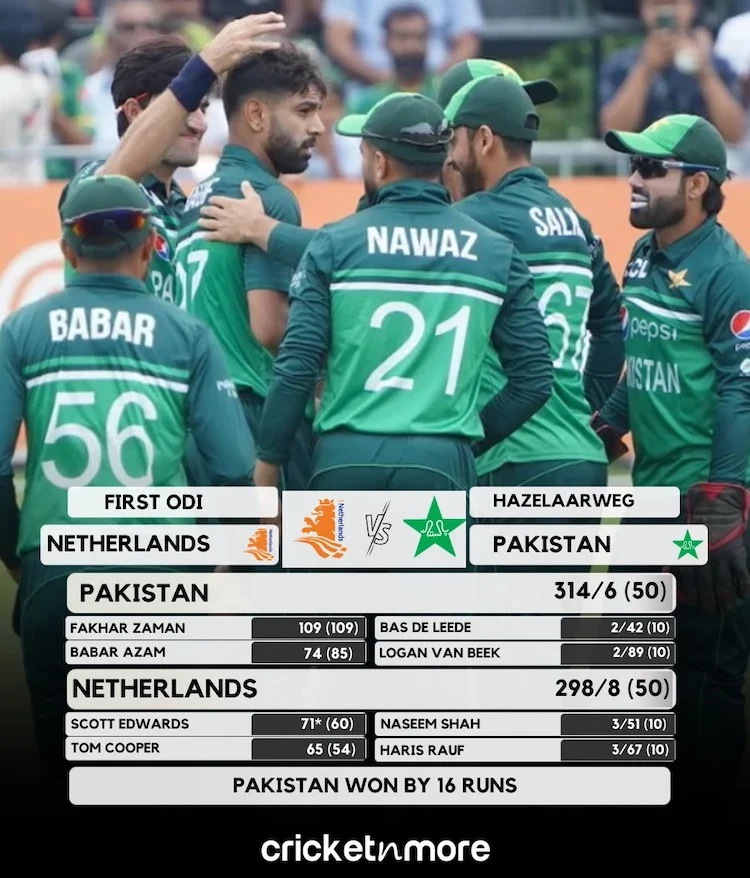
Former cricketer Basit Ali questioned captain Babar Azam’s role in the team and warned that the 2026 T20 World Cup could be his last in the shortest format if Pakistan fail to reach the semi-finals. Basit cautioned that an early exit could spell the end of Babar’s T20 career.
However, Saqlain Mushtaq remains optimistic. Speaking on a sports show, he said he holds a different view from most critics and believes the current squad has the ability to deliver if managed properly.
“I think differently. If these players perform according to their potential and are given assurance and clarity, they can do much better,” Saqlain said while discussing the ICC T20 World Cup.
He added that imposing excessive instructions on players often suppresses their natural talent.
“These players have come up on their own and know how to play their game. But when too many things are forced on them, their potential dies down,” he explained.
Saqlain also pointed to a lack of effective communication between players and management. “I have been saying this for a long time. I believe the players are not communicated with properly. They need to be sat down and spoken to,” he said.
Highlighting the unique background of Pakistani cricketers, Saqlain said their street cricket upbringing gives them a natural edge.
“These players can show something special. Pakistani children grow up playing in streets and neighbourhoods, often with limited resources — borrowing bats and balls. These are the same kids who make it to the national team,” he noted.
He concluded by saying that Pakistan’s success depends largely on how coaches view and handle the players. “They are not products of high-performance centres alone. They have natural ability, and it all depends on how the coaching staff brings the best out of them.”
About the Author